


Materials define more than the look of a furniture piece—they shape the mood of an entire interior. In this article, we explore the materials defining furniture design in 2026, from wood bases to bouclé, velvet, faux leather, and mixed upholstery. Discover how thoughtful material choices bring warmth, texture, durability, and character into modern spaces, and how Vaya Home uses these elements to create furniture that feels both timeless and current.
Some furniture is chosen for its shape. Some for its color. But the pieces that truly define a room are often chosen for something deeper: material.
Material is what gives furniture its emotional weight. It determines whether a chair feels warm or formal, whether a room feels quiet or expressive, whether a space feels lived in or simply styled. In 2026, that distinction matters more than ever. Interior design is moving away from visual excess and toward tactility, longevity, and surfaces that invite a closer look. Across trend reporting from Milan Design Week and other design publications, one message is consistent: tactile materials, craftsmanship, wood, bouclé, woven textures, and softer finishes are central to where interiors are heading.
At Vaya Home, this direction feels especially relevant because it already sits at the core of the brand. Recent Vaya Home content emphasizes durable woods, quality fabrics, careful upholstery, and craftsmanship that allows furniture to age gracefully rather than feel disposable. The brand’s own product range shows the same balance: wood bases and frames paired with upholstery options such as bouclé, faux leather, velvet, and leather in a wide range of colors.
Why Material Matters More Than Ever
The most memorable interiors are rarely the ones with the most decoration. They are the ones where every surface feels considered. That is why material has become such a defining part of luxury furniture in 2026. According to current design coverage, the strongest interiors are leaning into wood, woven elements, matte finishes, tactile textiles, and handcrafted details rather than cold uniformity or overly polished surfaces.
Material is also where comfort and durability meet design. A beautifully shaped chair can still feel wrong if the fabric is too flat, too delicate, or too formal for the room. In the same way, a strong silhouette becomes more inviting when paired with upholstery that adds texture, softness, or contrast. This is one reason Vaya Home’s combination of wood bases with customizable upholstery works so well: it allows a design to stay structurally grounded while adapting visually and tactically to different interiors.
What Is the Best Material for Furniture in 2026?
There is no single best material for every piece of furniture. The better question is which material is best for a particular use, mood, and level of wear. In premium seating, solid wood remains one of the strongest choices for the base or frame because it offers warmth, structural stability, and a finish that ages with character. Vaya Home repeatedly emphasizes solid wood construction across its chairs, including models such as Loft, Angolo, Abre, and Morbido.

For upholstery, the answer depends on the role of the piece. Bouclé is ideal when the goal is softness, texture, and a lighter, more contemporary feel. Velvet works best when you want depth, richness, and a more dressed atmosphere. Faux leather is practical when ease of maintenance and sharper visual definition matter most. Leather and eco-leather also work well when you want material contrast, especially against warm wood tones. Current 2026 trend coverage supports this mix: bouclé and natural fibers remain popular for comfort and softness, while wood continues to ground interiors with warmth and permanence.
So the best approach in 2026 is not to commit to one material across everything. It is to choose materials intentionally.
Bouclé: The Texture That Still Feels Fresh
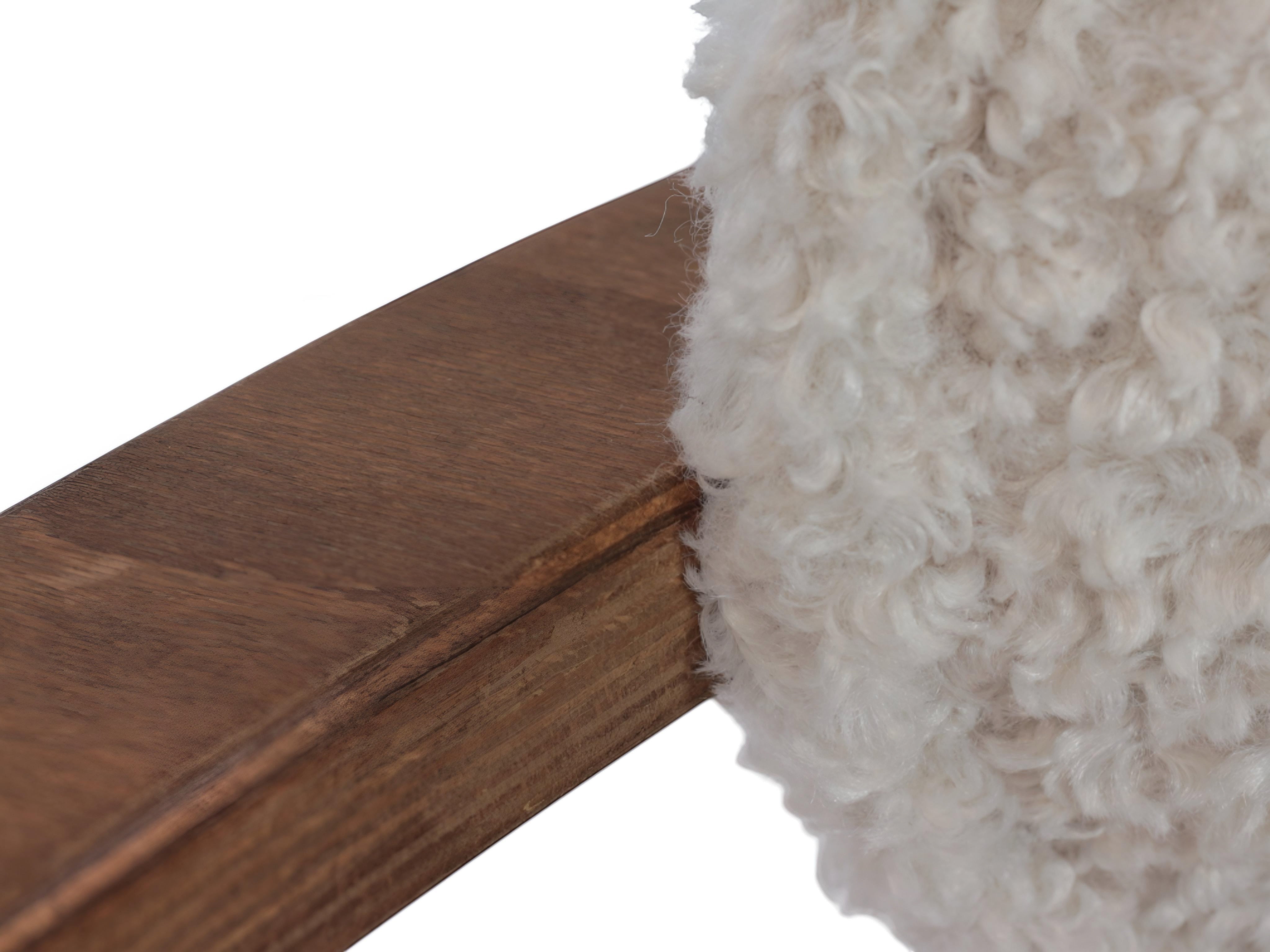
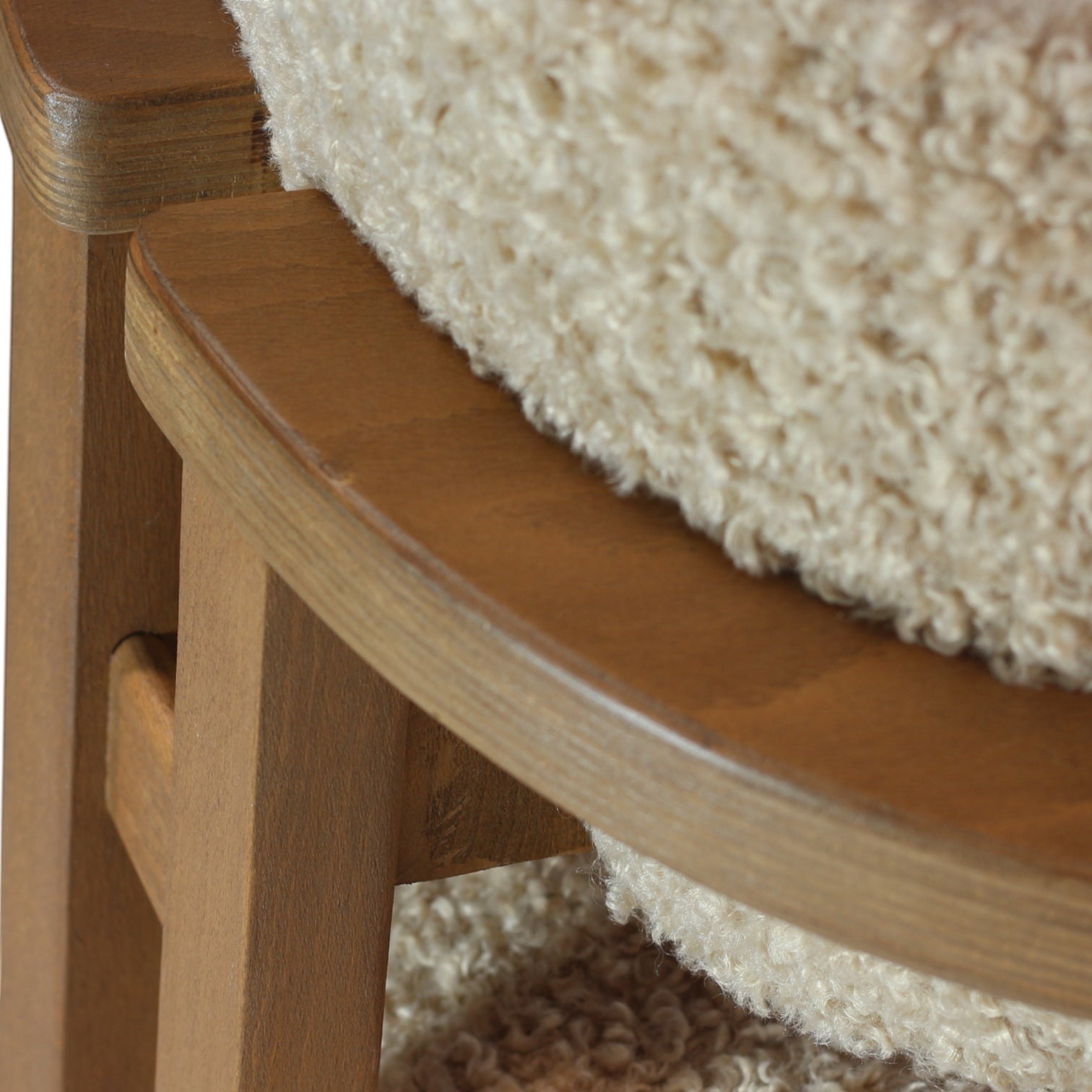
Bouclé has been visible for several seasons, but in 2026 it still feels relevant because its appeal is not just trend-based. It softens a room immediately. It catches light gently. It adds tactile interest even when the palette stays neutral. Trend reporting for 2026 continues to mention bouclé and other natural or textured fabrics as key surfaces in welcoming interiors.
Within Vaya Home’s collection, Loft and Angolo are strong examples of how bouclé works best. In both pieces, the material is not there to overpower the design. It supports it. Loft uses textured ivory bouclé to create a clean, calm, contemporary look, while Angolo uses bouclé against a more defined wood silhouette, giving the chair both softness and structure.
Bouclé works especially well in lounge seating, accent chairs, reading corners, and lighter dining spaces where the goal is softness without visual clutter.
Velvet: Depth, Color, and a More Dressed Interior
If bouclé creates softness through texture, velvet creates it through depth. Velvet holds color beautifully, which makes it especially useful when furniture needs to act as both comfort and accent. In 2026, interiors are becoming more personal and expressive, with publications pointing to richer color choices, comforting fabrics, and a stronger sense of individuality.

Vaya Home uses velvet across several pieces in ways that feel elevated rather than overly formal. Sienna Accent Chair uses velvet upholstery with a curved back and tufted detailing to bring warmth and quiet sophistication into a room.
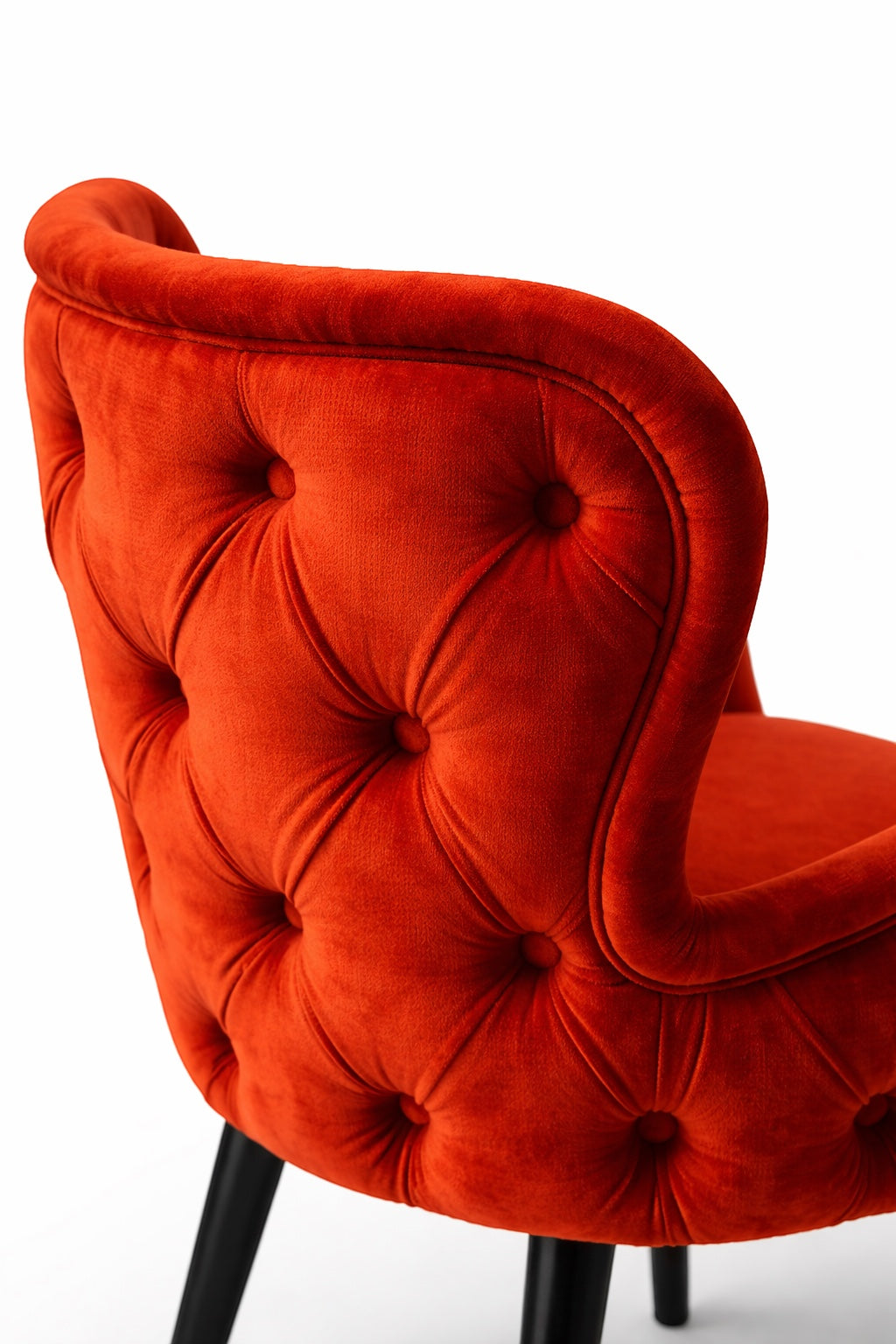
Sorelle Dining Chair pairs tufted velvet with warm wooden legs for a softer, elegant look.
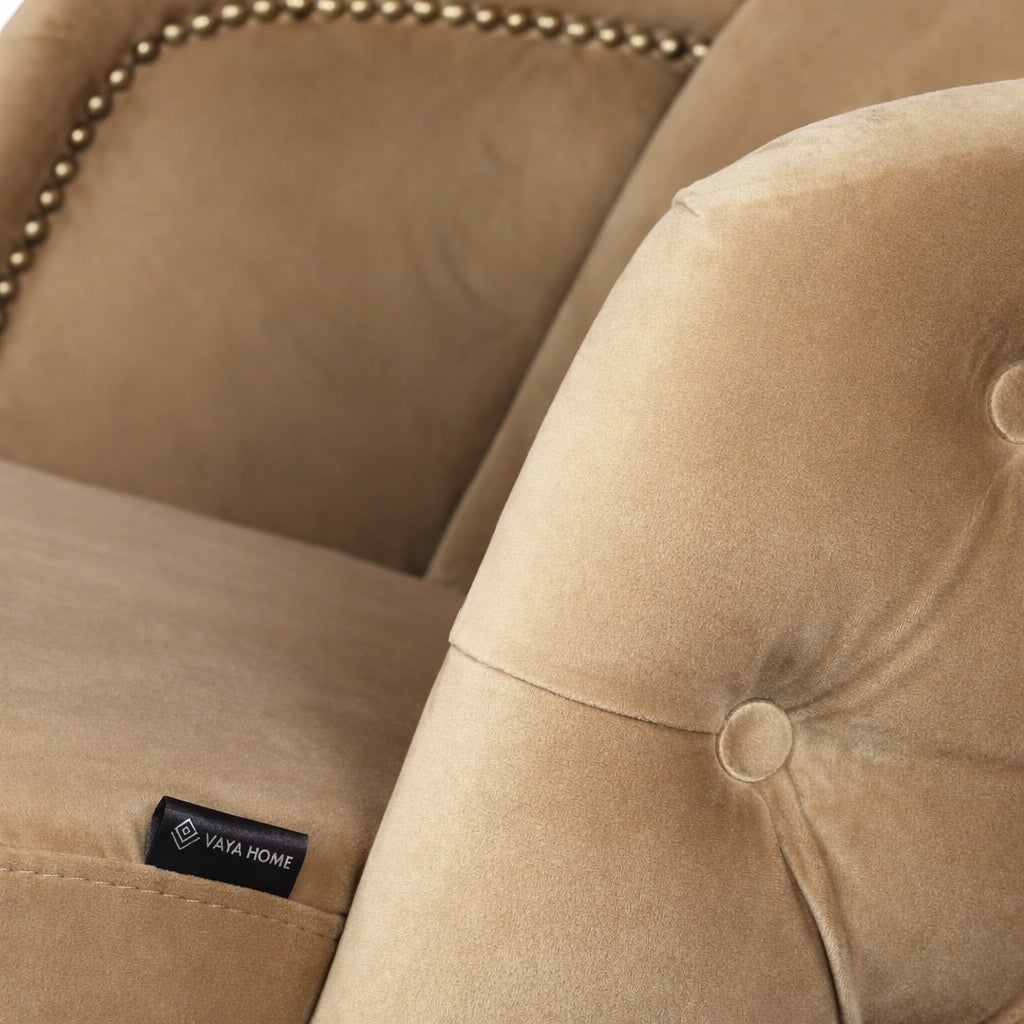
Velvet is one of the best upholstery choices when the room needs visual richness, stronger color payoff, and a more layered atmosphere.
Faux Leather: Practical, Defined, and Increasingly Versatile
Faux leather has become a more relevant material choice not because it imitates leather, but because it serves a specific design purpose. It gives a chair a clearer, more tailored edge. It is easier to wipe down and often more practical in dining, hospitality, or high-use settings. It also creates strong contrast when paired with wood, velvet, or metal.
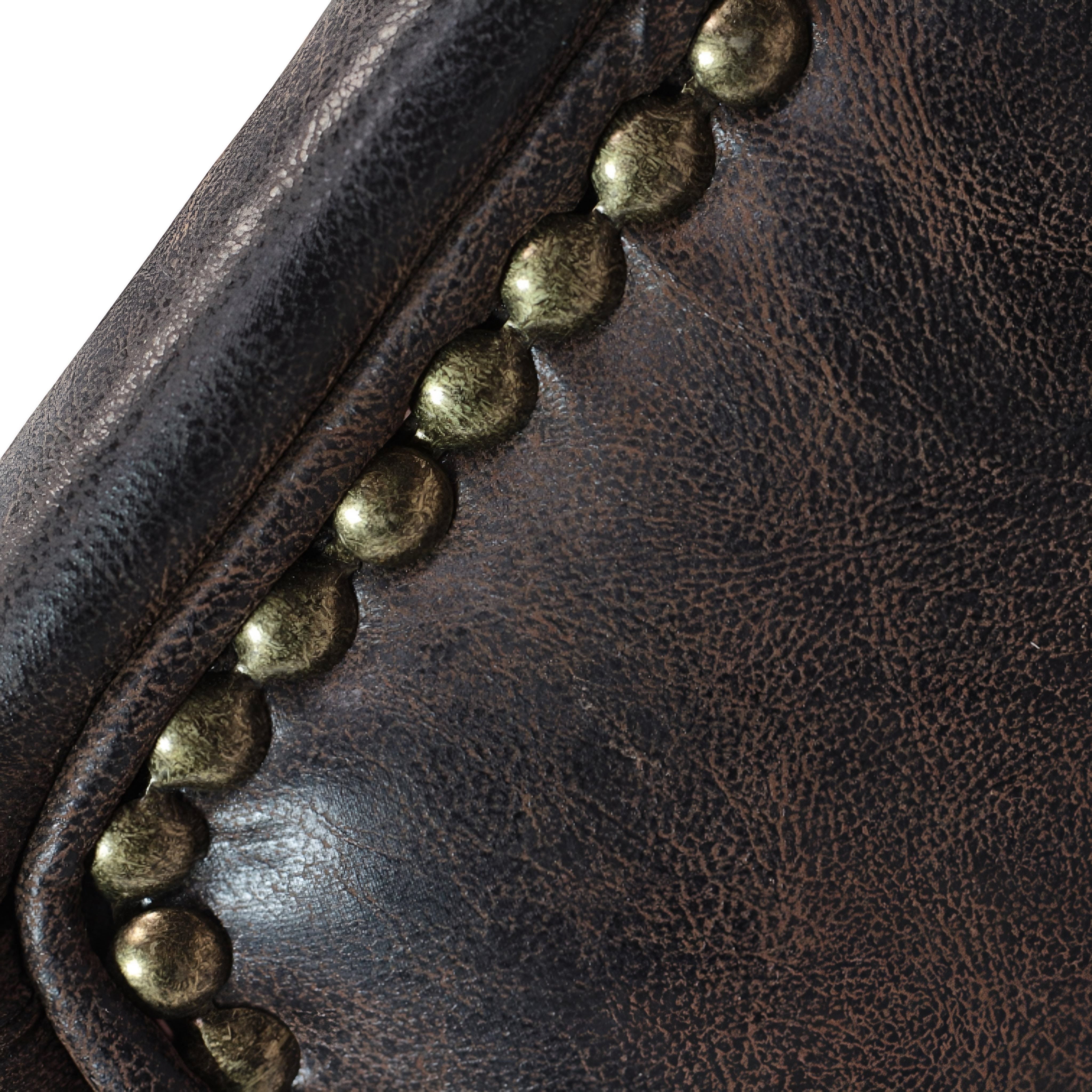
This is visible across several Vaya Home designs. Pelle uses vintage-effect brown faux leather with wooden legs and gold-tipped details for a more classic, character-driven look.
 Batata combines terracotta velvet on the interior with brown faux leather on the outer back, creating a layered material contrast that feels warmer and more contemporary.
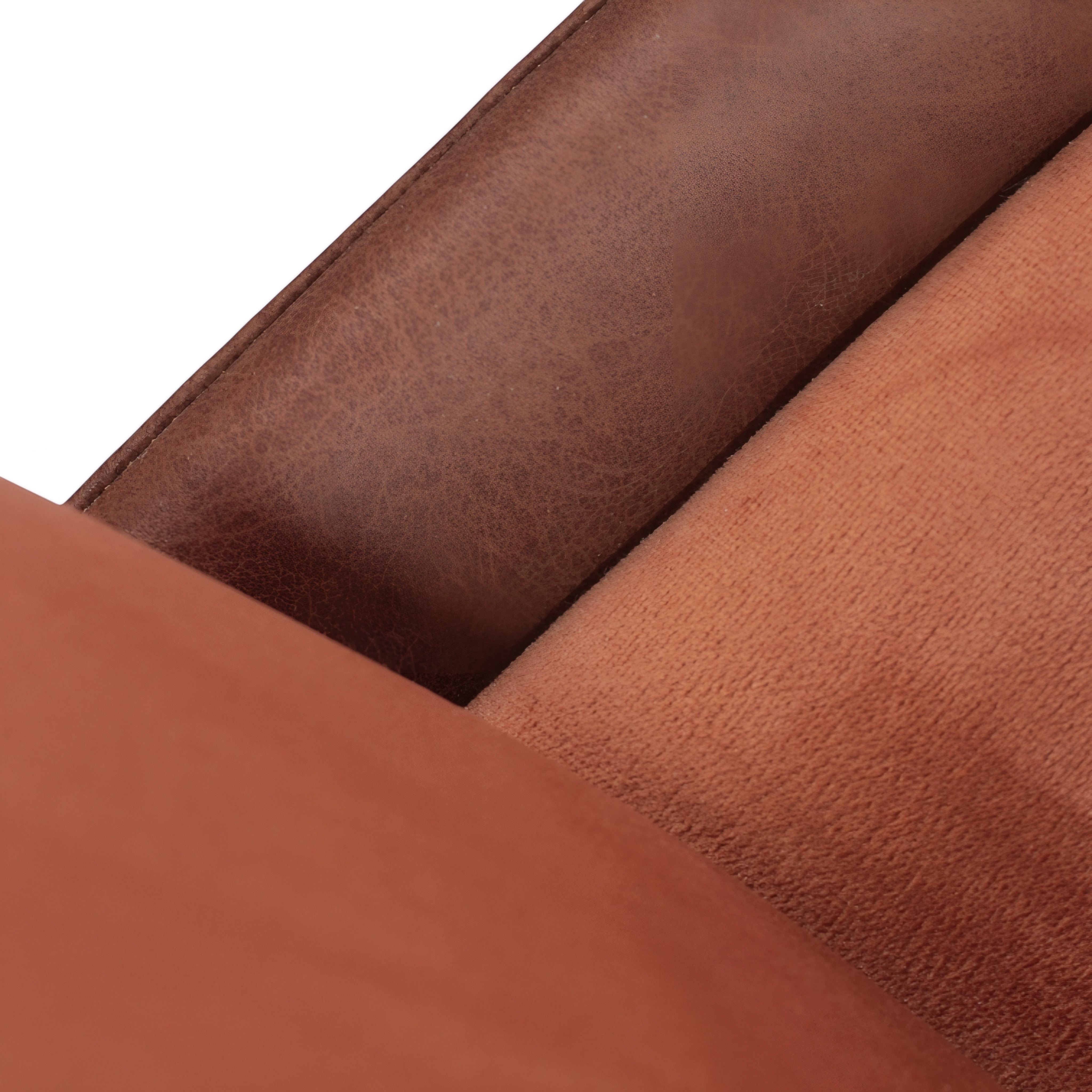 Chocolate Armchair uses a beige velvet-touch seat with a chocolate-brown eco-leather back, showing how mixed upholstery can make a piece feel more distinctive and architectural.

For clients choosing between velvet and faux leather, the decision often comes down to whether the room needs softness or definition. Velvet absorbs light. Faux leather reflects it more cleanly. Velvet feels richer and more atmospheric. Faux leather feels sharper and easier to maintain.
Material Contrast Is One of the Strongest Trends in 2026
One of the clearest messages from 2026 design coverage is that interiors are becoming more layered through contrast. That does not always mean bright colors. More often, it means contrasting textures and finishes: soft against structured, matte against polished, wood against woven details, upholstery against sculptural frames.
This is where Vaya Home’s collection has real range. Morbido combines oak, leather, vertical stitching, and handwoven rattan. Batata combines velvet and faux leather. Chocolate pairs velvet-touch fabric with eco-leather. Even more minimal pieces such as Loft rely on the contrast between tactile bouclé and shaped wood to feel complete.
The best material trend in 2026 is not one fabric replacing another. It is the move toward combinations that make furniture feel more intentional.
What to Choose for Different Rooms
In living rooms and lounge spaces, bouclé and velvet usually work best because they create a softer, more inviting atmosphere. In dining rooms, faux leather, leather, and structured textiles can be more practical, especially if the furniture is used daily. In boutique hospitality or office settings, mixed materials often work especially well because they bring both comfort and durability. These pairings are visible across Vaya Home’s collection, where the same wood-and-upholstery foundation is adapted for different moods and levels of use.
That is also why customization matters. Vaya Home notes across multiple product pages that many chairs can be produced in different fabrics and colors according to the client’s preference, which allows the same design to shift from soft and minimal to richer and more expressive depending on the project.
A More Material-Led Kind of Luxury
In 2026, the strongest furniture does not rely on novelty alone. It relies on how it is made, how it feels, and how convincingly its materials work together. That is why wood remains essential. That is why bouclé still matters. That is why velvet continues to return. And that is why faux leather and mixed upholstery finishes are holding their place in more design-conscious interiors. Current trend coverage keeps pointing in the same direction: tactile comfort, craftsmanship, natural warmth, and surfaces with depth are shaping the year.
For Vaya Home, this is not a new direction. It is already part of the brand’s design language. Wood bases provide warmth and structure. Upholstery options such as bouclé, faux leather, velvet, eco-leather, and leather allow each silhouette to take on a different mood. The result is furniture that feels adaptable, tactile, and relevant to how contemporary interiors are actually evolving.